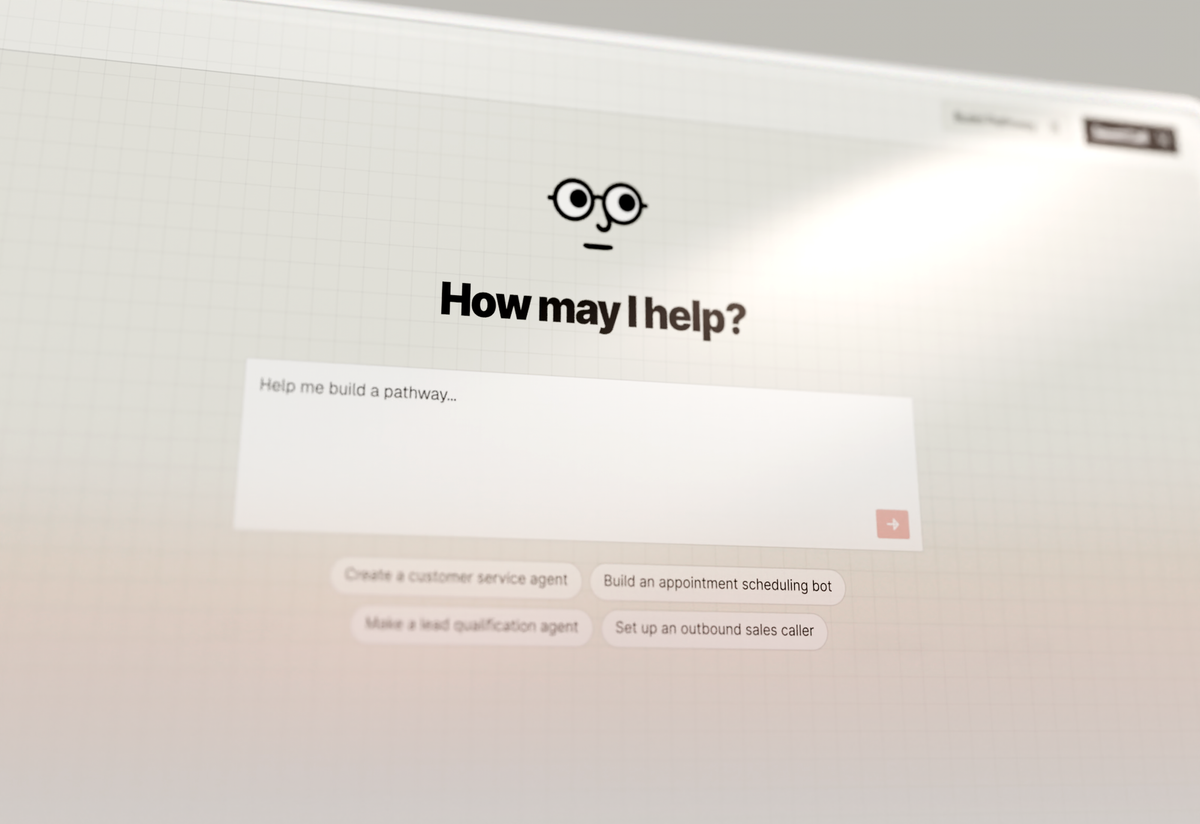
Vapi traffic splitting at a glance
Vapi now lets teams send a chosen percentage of live calls to each published assistant version, so changes can be rolled out gradually, compared, and rolled back.
What changed with Vapi traffic splitting
Vapi announced on its blog that traffic splitting is live. Instead of moving every call to a new assistant version the moment it is published, teams can assign a share of inbound and outbound calls to each published version. The feature builds on the assistant and tool versioning Vapi added in August 2026; its changelog first listed traffic splitting on October 12 and added a Traffic tab showing the live split on October 26.
According to Vapi's documentation, splits apply only to new calls, can include up to five versions, must total exactly 100%, and can be set with 0.001% precision. Repeat callers usually stay on the same version based on phone number or SIP username, which Vapi describes as best effort. A version can also be published at 0% so it exists without taking live traffic, and splits can be managed through an API.
Why Vapi traffic splitting matters for businesses
For businesses running phone agents, this lowers the risk of prompt or model changes: a new script can go to 1% or 5% of calls first, results can be compared, and traffic can be switched back if something breaks. Vapi recommends starting with two-way splits so differences are easier to attribute.
Put it to work: AI Voice Agents
Sources for this story
- Traffic splitting is live (opens in a new tab)Official
Vapi · vapi.ai
- Traffic splitting (docs) (opens in a new tab)Official
Vapi · docs.vapi.ai
- Vapi changelog (opens in a new tab)Official
Vapi · docs.vapi.ai
Last verified: . IA Compa summarizes public announcements for business readers. We are not affiliated with the companies mentioned. Always confirm details, pricing, and availability with the official source.
- #voice-agents
- #vapi
- #call-automation
- #versioning