Meta Muse at a glance
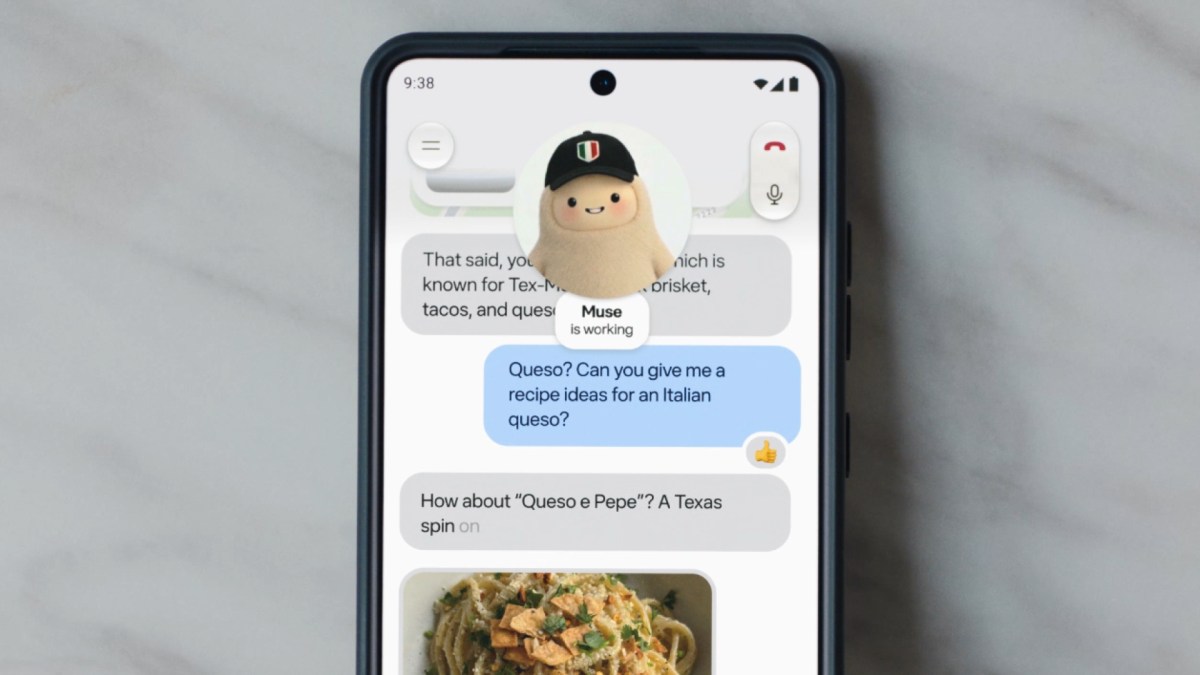
Muse app users in the US can now talk with their Muse agent in real time, interrupt it, pick from hundreds of voice styles, and see an animated avatar that reacts during the conversation.
What changed with Meta Muse
On November 5, 2026, Meta began rolling out voice conversations and expressive avatars in the Muse app on mobile, web, and Mac, starting in the US. Users tap a phone icon to talk, can interrupt mid-reply, and the agent keeps working on tasks while they speak. The avatar uses facial expressions and gestures and can be hidden, shown beside the chat, or shown full screen.
The feature runs on Meta's Muse Realtime Voice and Muse Realtime Avatar technology, which it first previewed at Connect 2026. Meta says there are hundreds of voice styles to choose from, and that voice conversations are coming to its AI glasses and to Muse Charm, a pocket device it announced at Connect.
Why Meta Muse matters for businesses
For businesses, this signals that customers will increasingly speak to an agent rather than type. Voice and phone experiences, such as AI receptionists, should be tested for how they handle interruptions and quick back-and-forth, since that is the bar consumer agents are now setting.
Put it to work: AI Voice Agents
Sources for this story
- Give Your Muse a Voice (opens in a new tab)Official
Meta Newsroom · about.fb.com
- The biggest news from Connect 2026 (opens in a new tab)Official
Meta Newsroom · about.fb.com
Last verified: . IA Compa summarizes public announcements for business readers. We are not affiliated with the companies mentioned. Always confirm details, pricing, and availability with the official source.
- #voice
- #meta
- #muse
- #avatars
- #realtime-voice