OpenAIModels
OpenAI releases GPT-6.1 Sol: near-Astra performance at a fifth of the price
GPT-6.1 Sol targets complex coding and professional work at $2/$10 per million tokens, with multi-agent support in beta.
Image: OpenAI
Find OpenAI coverage across GPT model releases, ChatGPT, developer APIs, and agents. See availability, published pricing, and links to the original announcements.
64 stories
OpenAIModels
GPT-6.1 Sol targets complex coding and professional work at $2/$10 per million tokens, with multi-agent support in beta.
Image: OpenAI
OpenAIModels
GPT-6 Sol targets coding and agentic work at $2/$10 per million tokens, while GPT-6 Luna serves high-volume tasks at $0.10/$0.50.
Image: OpenAI
OpenAIAgents
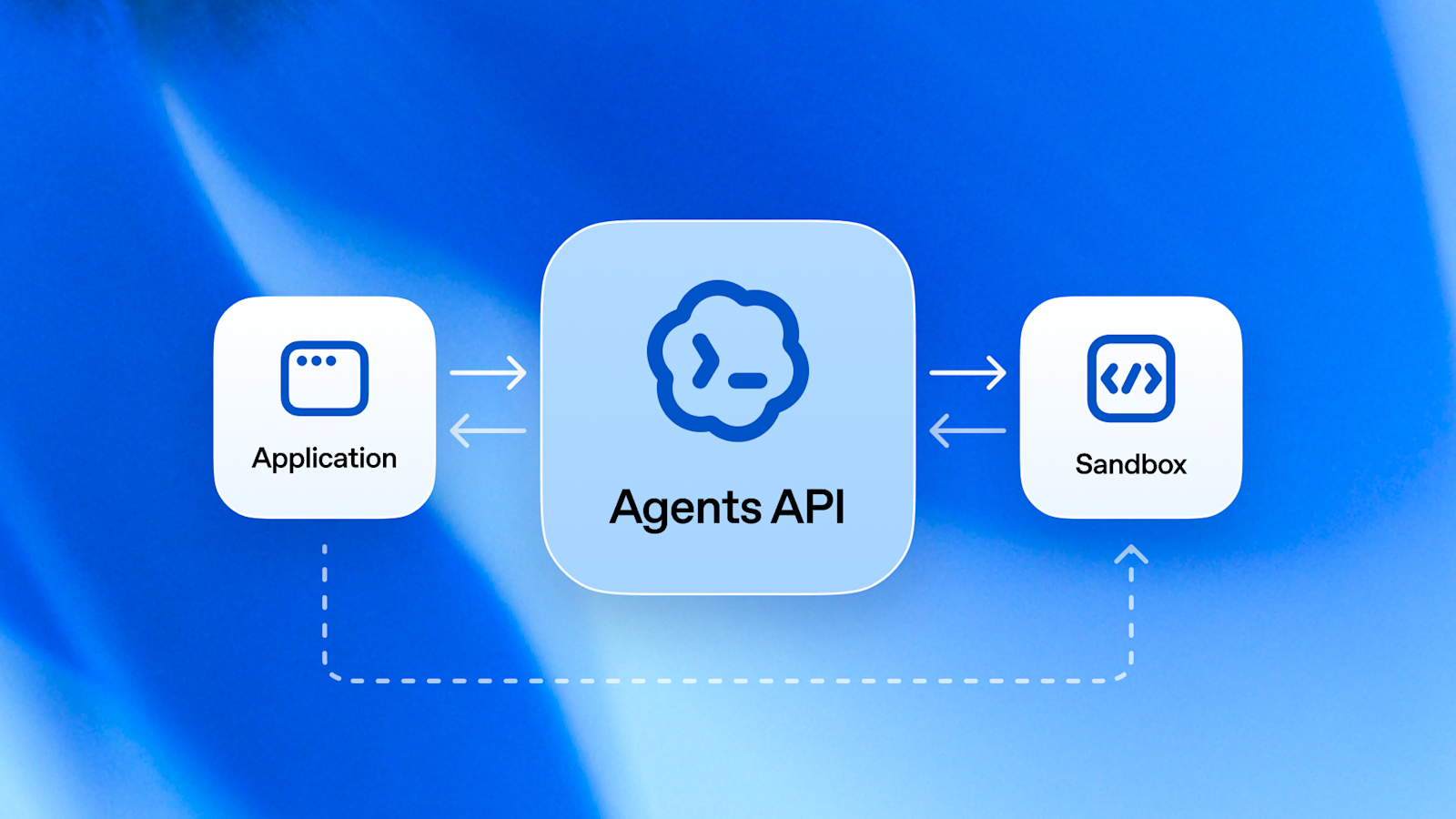
The Agents API gives developers a managed Codex harness with durable sessions, sandboxes and support for their own tools and MCP servers.
Image: OpenAI
OpenAIVoice
GPT-Live 1 listens and speaks at the same time, hands reasoning to a backend agent, and costs $0.05 per minute of voice session.
Image: OpenAI
OpenAIModelsMajor
GPT-6 Astra launched in the API with a 1M-token context, max reasoning effort and new agent controls such as async tool calling.
Image: OpenAI

Anthropic, Google, OpenAISecurityMajor
Novee Security showed at Black Hat USA 2026 how untrusted GitHub issues could steer AI coding agents in CI. Anthropic fixed CVE-2026-54316 in Claude Code 2.1.163, Google fixed a critical Gemini CLI trust flaw (CVE-2026-12537), and OpenAI hardened its Codex workflows.
OpenAIAgents
Presence packages policies, guardrails, approved actions, simulations, evaluations and a Codex-driven improvement loop for customer and internal voice and chat agents. It launched through a limited general availability program led by OpenAI engineers and partners.
Image: OpenAI
OpenAIAgentsMajor
ChatGPT Work, built on Codex technology and GPT-5.6, works across your apps and files for hours, produces sheets, slides, docs and web apps, and runs Scheduled Tasks. A new ChatGPT desktop app with Chat, Work and Codex shipped on every plan.
Image: OpenAI
OpenAIModels
GPT-5.6 split OpenAI's lineup into three tiers, with Sol for frontier work, Terra for balance and Luna for high volume.
Image: OpenAI
OpenAIVoice
GPT-Realtime-2 added configurable reasoning to speech-to-speech agents, alongside new streaming translation and transcription models.
Image: OpenAI

OpenAIModels
GPT-5.5 and GPT-5.5 Pro arrived as OpenAI's new frontier models, with a 1M-token context and medium reasoning by default.
Image: OpenAI
OpenAIAgents
Workspace agents, described as an evolution of GPTs, run in the cloud on Codex, follow team workflows across connected tools and Slack, run on schedules and ask for approval on sensitive steps. They launched in research preview for Business, Enterprise, Edu and Teachers plans.
Image: OpenAI
OpenAICreative
GPT Image 2 (gpt-image-2) launched as OpenAI's new image generation and editing model, with inpainting and flexible sizes.
Image: OpenAI

OpenAIModels
GPT-5.4 and GPT-5.4 Pro brought tool search, computer use in the Responses API and a 1M-token context window.
Image: OpenAI
OpenAIAgents
Frontier connects enterprise data and apps into shared context, gives agents an execution environment, memory, evaluations and their own identities and permissions, and pairs customers with OpenAI engineers. It launched for a limited set of customers.
Image: OpenAI
OpenAIAgents
The Codex app for macOS manages several agents at once in project threads with worktrees, adds a skills library and scheduled Automations, and uses system-level sandboxing. A Windows version followed on March 4, 2026.
Image: OpenAI

OpenAIModels
GPT-5.2 became the GPT-5 family flagship, adding gains in instruction following, vision, coding and tool calling.
Image: OpenAI
OpenAIModels
GPT-5.1 arrived in the API as the new GPT-5 flagship, alongside Codex variants and 24-hour prompt cache retention.
Image: OpenAI
OpenAICreativeMajor
Sora 2 generates video with dialogue and sound effects and more realistic physics, and launched in an invite-based iOS app in the US and Canada with a consent-based characters feature.
Image: OpenAI

OpenAIModels
GPT-5-Codex adjusts its thinking time to the task, worked independently for more than 7 hours in OpenAI's tests, and was trained for code review across the Codex CLI, IDE extension, cloud and GitHub.
Image: OpenAI
OpenAIVoice
The gpt-realtime speech-to-speech model improved instruction following, tool calling and natural speech, while the Realtime API gained SIP phone calling, remote MCP servers and image input at 20% lower prices.
Image: OpenAI

OpenAIModelsMajor
GPT-5 combined a fast model, a deeper thinking model and a real-time router in ChatGPT, reached free users, and launched in the API in three sizes with new verbosity and minimal-reasoning controls.
Image: OpenAI
OpenAIModelsMajor
The Apache 2.0 gpt-oss models are mixture-of-experts reasoning models: the 120b nears o4-mini on core reasoning on a single 80 GB GPU, and the 20b matches o3-mini and runs in 16 GB of memory.
Image: OpenAI

OpenAIModelsMajor
o3 and o4-mini were trained to decide when to search, run code or inspect images during reasoning, replaced o1 and o3-mini in ChatGPT, and arrived with the open-source Codex CLI.
Image: OpenAI