ChatGPT Wallet at a glance
OpenAI introduced ChatGPT Wallet on November 13, 2026: agents pay with payment-network tokens instead of real card details, every purchase needs a biometric check, and agentic commerce starts with ChatGPT Pro subscribers in the US through ChatGPT Dots.
Ask your AI about this story
Use this story in your business: OpenAI launches ChatGPT Wallet: agents pay with tokenized cards, starting on ChatGPT Pro in the US (OpenAI). Ask your AI to explain what happened, how it could affect your business and how to put it to work. It also weighs price, speed, intelligence and the lab behind it. The link to the story is included.
What changed with ChatGPT Wallet
OpenAI introduced ChatGPT Wallet on November 13, 2026, describing it as the first wallet that lets agents pay without access to the user's actual card details. A user adds a card once and then approves each purchase with a security check such as Face ID or a fingerprint scan; the payment network then issues a token — a substitute card number, security code and expiration date — so the real details never reach the business or the agent, while the user keeps the card's rewards and dispute protections. The wallet is built with American Express, Mastercard and Visa, and begins rolling out today in ChatGPT Dots for ChatGPT Pro subscribers aged 18 and older in the US with eligible US-issued cards.
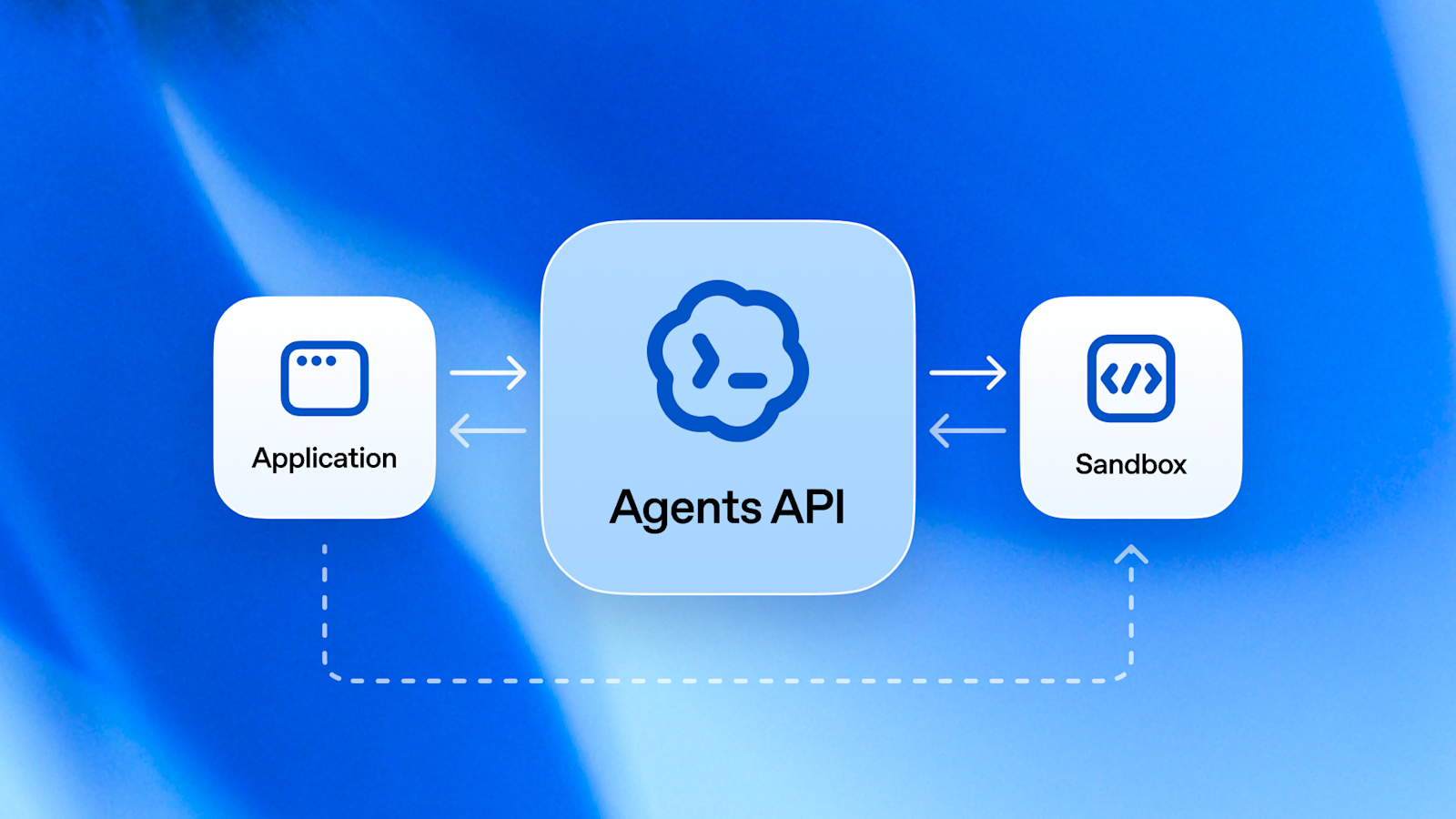
Alongside the wallet, OpenAI published a Commerce Partner Playbook for businesses. It tells merchants to claim their business in ChatGPT and keep product feeds current, to configure their CDN or firewall with Web Bot Auth so signed agent requests are not blocked, and to work with payment and risk providers so legitimate agent purchases are not declined: OpenAI names fraud partners Forter, Riskified, Sardine and Signifyd, and payment processors Adyen, Checkout.com and Stripe. OpenAI says fuller delegation — agents buying on their own within pre-approved spending limits, categories and time periods — is the direction it is building toward.
ChatGPT Wallet in numbers
Values are copied from the linked source on the date shown. They are not IA Compa measurements.
- People who use ChatGPT each week (OpenAI)as of · Source for People who use ChatGPT each week (OpenAI): openai.com (opens in a new tab)
- 1.2 billion
Why ChatGPT Wallet matters for businesses
Why it matters: checkout is becoming an agent surface, not just a web page. Agent payments are the core of agentic commerce: the money layer that lets an agent finish a purchase end to end. If your business sells online, an agent with a ChatGPT Wallet may soon be the customer that arrives at your store, so your product data, bot settings and risk rules decide whether that sale completes or gets declined. For agencies, making a client's store agent-ready — clean product feeds, agent access that is not blocked, payment systems that recognize tokenized agent purchases — is a concrete new service to offer, starting with the US merchants whose customers already shop through ChatGPT.
Put it to work: AI Agents
Get AI News by email
Verified AI stories, each with its official source, on Monday and Thursday mornings. Add breaking news to hear about the biggest ones as soon as we publish them.
Every story links its official source
Free, in English or Spanish
Unsubscribe with one click, any time
Sources for this story
- Introducing ChatGPT Wallet (opens in a new tab)Official
OpenAI · openai.com
Last verified: . IA Compa summarizes public announcements for business readers. We are not affiliated with the companies mentioned. Always confirm details, pricing, and availability with the official source.
- #chatgpt-wallet
- #agentic-commerce
- #agent-payments
- #chatgpt-pro
- #chatgpt-dots
- #payments